When to Reach Out to Tree Removal Services: Key Signs Your Tree Requires Immediate Attention
Determining the correct time for tree removal is crucial for landscape health and safety. Many factors can suggest a tree's degradation, from visible damage to concealed diseases. Homeowners need to recognize these signs to avoid potential hazards. Nevertheless, understanding the intricacies of tree health and the implications of removal can be daunting. What criteria should one consider before making such a decision?
Primary Markers of Tree Health
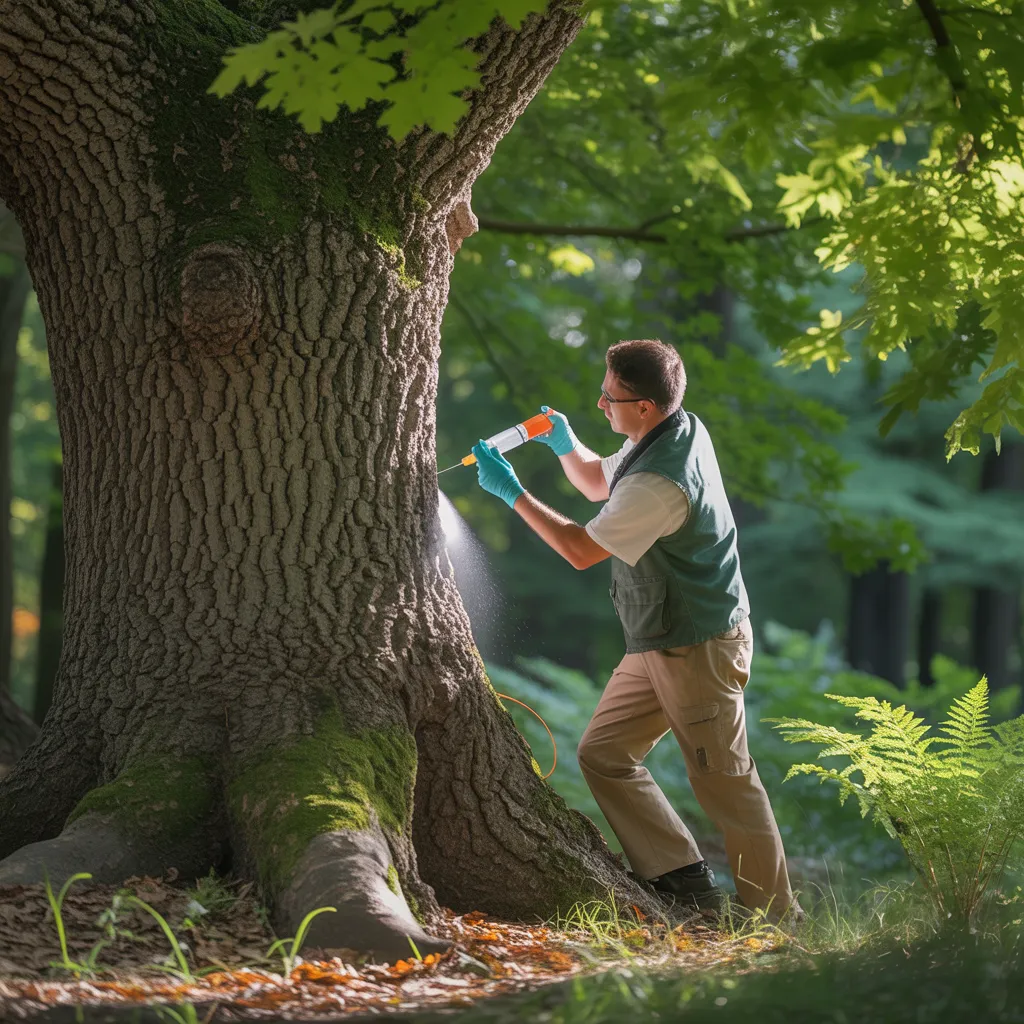
The significance of a tree can often be evaluated through several key indicators of its health. The condition of leaves is a primary indicator; vibrant, green foliage suggests vitality, while faded or sagging leaves might suggest issues. Additionally, the presence of infestations or ailments, such as unusual growths or decay, can threaten a tree's integrity. Bark quality is another significant factor; cracks, peeling, or missing sections can reveal underlying issues. A tree's structural stability is essential as well; slanting or indications of root displacement can pose safety concerns. Moreover, the root system plays a critical role; visible roots or insufficient fresh development may suggest problems. Regular monitoring of these factors provides insight into a tree's health and longevity, enabling timely intervention when necessary. Ultimately, identifying these key indicators assists in maintaining the overall ecosystem and preventing potential hazards associated with unhealthy trees.
How Tree Age Influences Removal Decisions
The age of a tree is crucial when making removal decisions, as older trees frequently display obvious indicators of deterioration. Various tree species possess different longevity ranges, which can influence the urgency and rationale behind removal. Recognizing these elements aids in making educated decisions about tree management and safety.
Evidence of Aging Trees
Often, the indicators of aging trees become more evident over time, leading homeowners to think about their removal. As trees grow older, they may exhibit thinning canopies, with reduced leaves and branches than in their prime. Fissures and splits in the trunk can signal structural vulnerabilities, heightening the risk of falling limbs. Additionally, an increase in dead or decaying branches suggests the tree is struggling to thrive. Discoloration of bark or unusual growths may indicate disease or pest infestations that threaten overall health. Additionally, a tree leaning significantly can suggest instability, which could pose risks to nearby structures or individuals. Recognizing these signs is essential for homeowners to make well-considered decisions concerning the safety and maintenance of their property.
Expected Lifespan Based on Species
How does the lifespan of different tree species impact removal decisions for homeowners? Homeowners often consider the expected lifespans of their trees when evaluating removal services. For instance, hardwood trees like oaks can live for over a century, while softer species such as willows may only last 30 years. As trees age, they become more vulnerable to disease, decay, and structural weaknesses, prompting earlier removal for species with shorter lifespans. Conversely, long-lived trees may warrant more extensive monitoring before deciding on removal. Understanding these lifespan expectations allows homeowners to make informed choices about tree care and removal, ensuring safety and maintaining property aesthetics. This knowledge helps with evaluating when professional intervention is required.
Indicators Your Tree Requires Removal: Disease Signs?
Identifying indicators of disease in trees is crucial for determining their health and potential need for removal. The presence of uncommon fungal growths and patterns of leaf discoloration can indicate significant underlying issues. Monitoring these symptoms can help homeowners take prompt action to preserve their property.
Fungal Infestation Presence
Fungal growth on a tree frequently indicates underlying health issues that may require its removal. Such growth can appear as mushrooms, shelf fungi, or other types of spores on the trunk, branches, or roots. These fungi typically indicate decay within the tree, suggesting that it may be compromised structurally. The presence of fungal growth frequently suggests root rot or other significant diseases that can weaken the tree significantly. If a tree exhibits extensive fungal growth, it is crucial to assess its overall health and stability. In some cases, consultation with a tree care expert may verify the need for removal to prevent potential hazards, such as falling branches or the risk of tree collapse.
Leaf Color Change Patterns
When trees display leaf discoloration patterns, it can suggest serious health problems that may warrant removal. Yellowing leaves, for example, may signify nutrient deficiencies or root problems, while browning edges could suggest environmental stress or disease. Dark spots or blotches often indicate fungal infections, which can weaken the tree significantly. Additionally, if leaves turn red or purple prematurely, it could suggest a more severe underlying condition. These discoloration patterns, if widespread, can compromise the tree's structural integrity and overall health. Homeowners should monitor these signs closely; if the discoloration persists or worsens, contacting a professional arborist is essential. In some cases, removal may be the safest option to prevent potential hazards.
Spotting Tree Problems and Weakness
Knowing how to detect tree damage and instability is critical for keeping a healthy landscape. A tree exhibiting signs of damage may have apparent cracks in the trunk, peeling bark, or large wounds that show inner tissue. These indicators often suggest underlying decay or disease. Furthermore, leaning or tilting trees may point to instability; a tree should remain upright and symmetrical. Monitoring the canopy is vital as well; dead or sparse branches can indicate poor health and may undermine the tree's structural integrity. Moreover, the presence of fungi or mushrooms at the base may signal root rot or decay. Regular inspections can help identifying these conditions early, permitting for timely intervention. Disregarding these signs can cause more severe problems, including potential hazards to surrounding properties and individuals. Identifying these warning signs is an essential step in maintaining the longevity and safety of trees in any landscape.
Root Causes and Their Effect on Stability
Root systems are critically important to a tree's overall structural integrity and wellness. They secure the tree in place, take in nutrients, and supply water, all vital for its development. learn now Still, various factors can undermine root systems, causing instability. Erosion, nearby building projects, or soil compaction can disturb roots, impacting their capability to anchor the tree. Additionally, root rot stemming from fungal infections can undermine the stability, making the tree more likely to experience tipping over, especially during storms or strong winds.
Indicators of root problems can include leaning trees, cracked soil, or exposed roots. It is important for property owners to watch these signs carefully. When root problems arise, they can seriously compromise the tree's balance and total well-being. If such issues are observed, seeking a tree care professional service for an evaluation can help ascertain whether taking down the tree is essential to secure protection and stop structural damage.
Dangers Associated with Dead or Dying Trees
Trees that are dead or dying present substantial hazards to property and public safety alike. Their weakened structure can lead to unexpected falls, especially during severe weather events like storms or high winds. This unpredictability can result in damage to homes, vehicles, and power lines, producing perilous circumstances for homeowners and those passing by. Additionally, dying trees commonly house insects and pathogens, which have the potential to migrate to adjacent healthy trees, threatening the integrity of local ecosystems.
Having decaying trees can also impede pathways and roadways, elevating the likelihood of accidents. Moreover, the emotional toll on property owners can be substantial, as the fear of potential damage or injury looms. In urban areas, where space is limited, the risks linked to dead or dying trees can escalate quickly, demanding immediate attention. Understanding these dangers is essential for maintaining a safe environment for both individuals and communities.
When You Should Call Professional Tree Removal Services
When is it time to consider engaging professional tree removal services? This question comes up when trees display clear signs of decline, such as substantial dead branches, substantial decay, or root complications. Moreover, trees leaning at hazardous angles or positioned near structures pose safety hazards, warranting professional inspection. If a tree has sustained severe storm damage, prompt consultation is vital to assess stability and potential risks.
In addition, trees interfering with power lines or impacting property structures typically require specialist intervention. Professional tree removal services maintain the equipment and expertise required for safe and effective removal, limiting risks to surrounding areas. Homeowners should also consider factors like tree species, size, and location when determining to seek professional services. Eventually, acknowledging these indicators secures both safety and the health of the landscape, making it crucial to act immediately when a tree's condition becomes worrisome.
Common Questions
What Does Tree Removal Usually Cost?
The cost of tree removal usually ranges from $200 to $2,000, depending on factors including tree size, location, and how complex the work is. Supplementary services like stump grinding can additionally raise the final price.
Can I Handle Tree Removal Myself?
Tree removal can be done independently, but it usually demands specialized instruments and expertise of safety measures. Potential dangers include injury and property damage, making professional help a more reliable and secure alternative for most homeowners.
Which Permits Are Required for Tree Removal?
Typically, permits for tree removal vary according to local regulations and ordinances. Homeowners should get in touch with their municipal office or local forestry department to find out about mandatory permits, especially for safeguarded or significant trees in urban areas.
Does Tree Removal Damage Adjacent Plants?
Eliminating a tree might damage neighboring plants as a result of root disturbance and modifications in sunlight levels. Yet, with careful planning and proper techniques, detrimental results can be mitigated, securing that neighboring vegetation maintains its health.
What Is the Duration of the Tree Removal Process?
Tree removal generally requires between a few hours and a full day, based on the tree's size, location, and complexity. Elements like weather conditions and equipment availability may also influence the timeline.